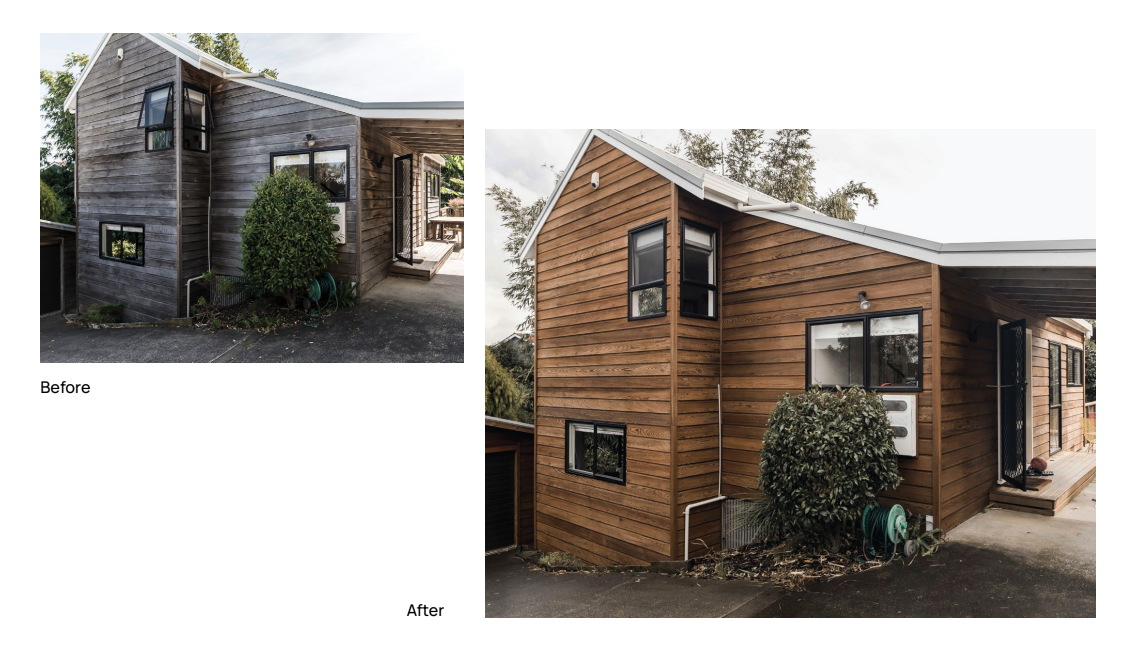



The Cedar Homeowner’s Guide to Treating and Maintaining your Cedar Home

This step-by-step Guide walks you through:
- What Cedar needs to look great
- Stain vs. oil: what's best and why?
- Cedar's deadly enemies

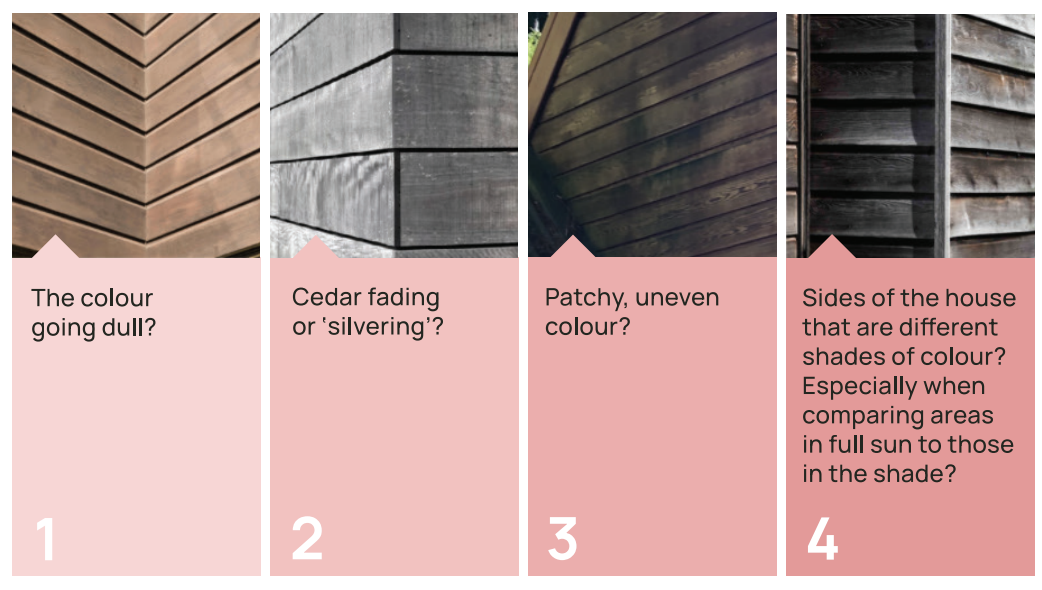
If your house looks dull, is fading or silvering, your Cedar requires maintenance.

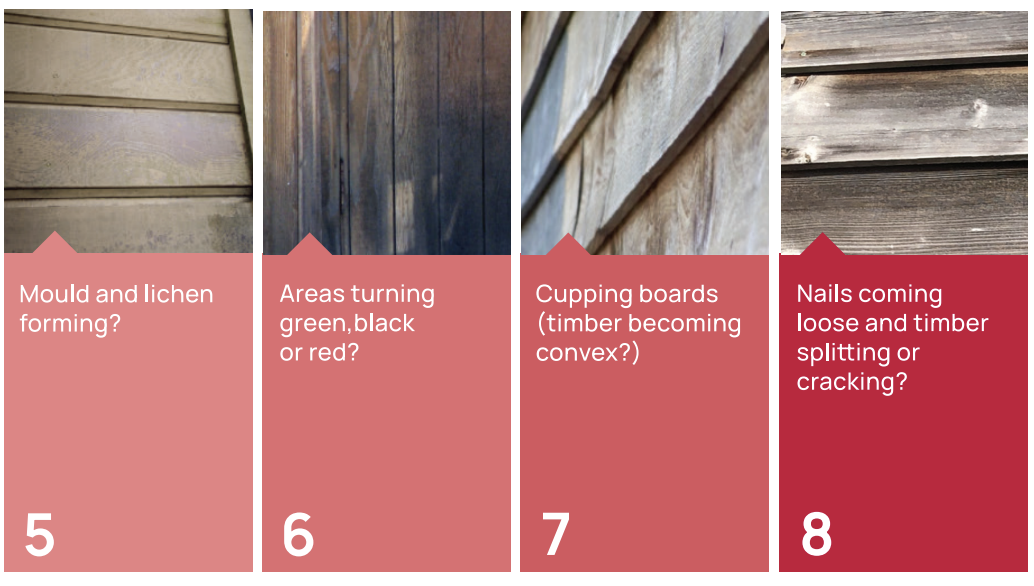
If your Cedar has passed this point, it requires restoration.
Recognise any of those signs? Your Cedar requires treatment.
Why does it need treatment?
Cedar is ‘low-maintenance’ but it’s not ‘no-maintenance’.
New Zealand's harsh UV-rays and wet winters damage Cedar. To protect it and keep it looking beautiful year-round, exposed areas should be treated at least once every two years.
If you choose to leave it, problems will compound: you may need to replace the Cedar completely if cracks or splits get too wide (a costly solution to an avoidable problem).
How to Treat Cedar ?
1. Wash
A low-pressure chemical wash should be used to remove oxidised coatings, mould and lichen. Use of a domestic-grade water blaster without professional training is likely to damage naturally soft Cedar.
2. Pick a Colour
Change the look and feel of your property! Go slick and modern with grey Flint or black with Foundry. Love the scandi look? Choose white Damper. Or, mimic untreated natural Cedar with Kauri Gum.
3. Oil
Oil is like moisturiser for Cedar, replenishing natural oils that have been sapped by the sun. Different amounts of oil need to be applied to different areas of the property, using different techniques. Why? The sun (or lack of it!) impacts different areas of the property in unique ways.

Get a Quote